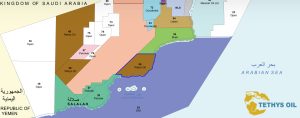
Tethys Oil: Drilling success, Block 56
Congratulations to Tethys Oil for their successful drilling operations in Oman. Merlin have enjoyed supporting the sub-surface workflows in Block 56 and are pleased to see this positive outcome.

Congratulations to Tethys Oil for their successful drilling operations in Oman. Merlin have enjoyed supporting the sub-surface workflows in Block 56 and are pleased to see this positive outcome.
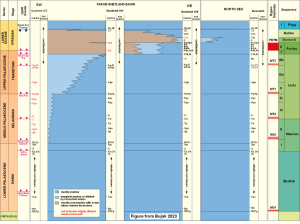
Following on from Dr Jonathan Bujak’s first blog which documented the oceanographic and climatic changes that occurred in the North Atlantic region during the Paleogene, this blog discusses their application for the analysis of UK and Norwegian wells in energy exploration.

On Thursday 14th December, Eleanor Oldham attended the GESGB’s CCS4G Symposium on behalf of Merlin and presented on how stochastic methods can be used to assess mechanical top-seal risk of a potential CCS site. This blog post provides a round up of the event.
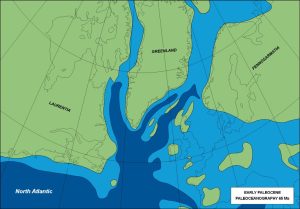
Dr Jonathan Bujak's first (of two) blog posts documents the interpreted oceanographic and climatic changes that occurred in the North Atlantic region during the Palaeogene. Continue reading to learn more.
In the world of subsurface engineering, the quest for maximum production efficiency is a shared endeavour between geoscientists and reservoir engineers (plus others in the petroleum engineering realm). This final blog of the series explores the strategies that enhance subsurface understanding, enabling optimisation of oilfield production through the combined expertise of the subsurface workforce.

This blog uncovers how reservoir engineering analysis drives adaptations to geoscientific models, showcasing real-world examples of the interplay between engineering and geoscientific insights.

In the dynamic world of subsurface engineering, the synergy between geoscientists and reservoir engineers is nothing short of transformative. Following on from the first blog in the series, this second blog delves into how geoscientific insights serve as the driving force behind reservoir engineering decisions, ultimately maximising the potential of energy reserves.

In the realm of subsurface engineering, two distinct disciplines stand as pillars of knowledge and expertise: geoscience and reservoir engineering. Their collaborative efforts form the backbone of our ability to unlock the full potential of energy resources. In this article, the first in a series, we will unravel the significance of each role and how their synergy propels the industry forward.

Helen Bone and Bill Wilks will be attending the GESGB Africa Conference next week. Helen will also be presenting aspects of work carried out by Merlin on the rejuvenation evaluation of the Obe Field held by Damas Petrochemicals and Refinery Limited in Nigeria.

The first NSTA (North Sea Transition Authority) infrastructure reporting round of 2023 has recently completed, but as with all things concerning data, there is always more to do! Since 2021, the NSTA have been standardising the way infrastructure is reported to try and mitigate against common problems observed during previous rounds. Continue reading to learn more about these updates and how Merlin can help you navigate the next reporting round..
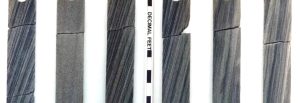
Reservoir simulation brings together interpretations from a wide range of geoscience specialisms and simulates the dynamic flow of fluid through that interpretation. The aim is to get a geologically sound model that fits the real test and production history of the field. Continue reading to find out what Merlin's key piece of advice is to create the best reservoir simulation model..
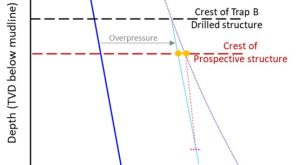
Continuing on from her Pressure Plot Basics article, Eleanor Oldham explains how pressure plots can be used to de-risk column heights in hydrocarbon accumulations. Continue reading to learn more..